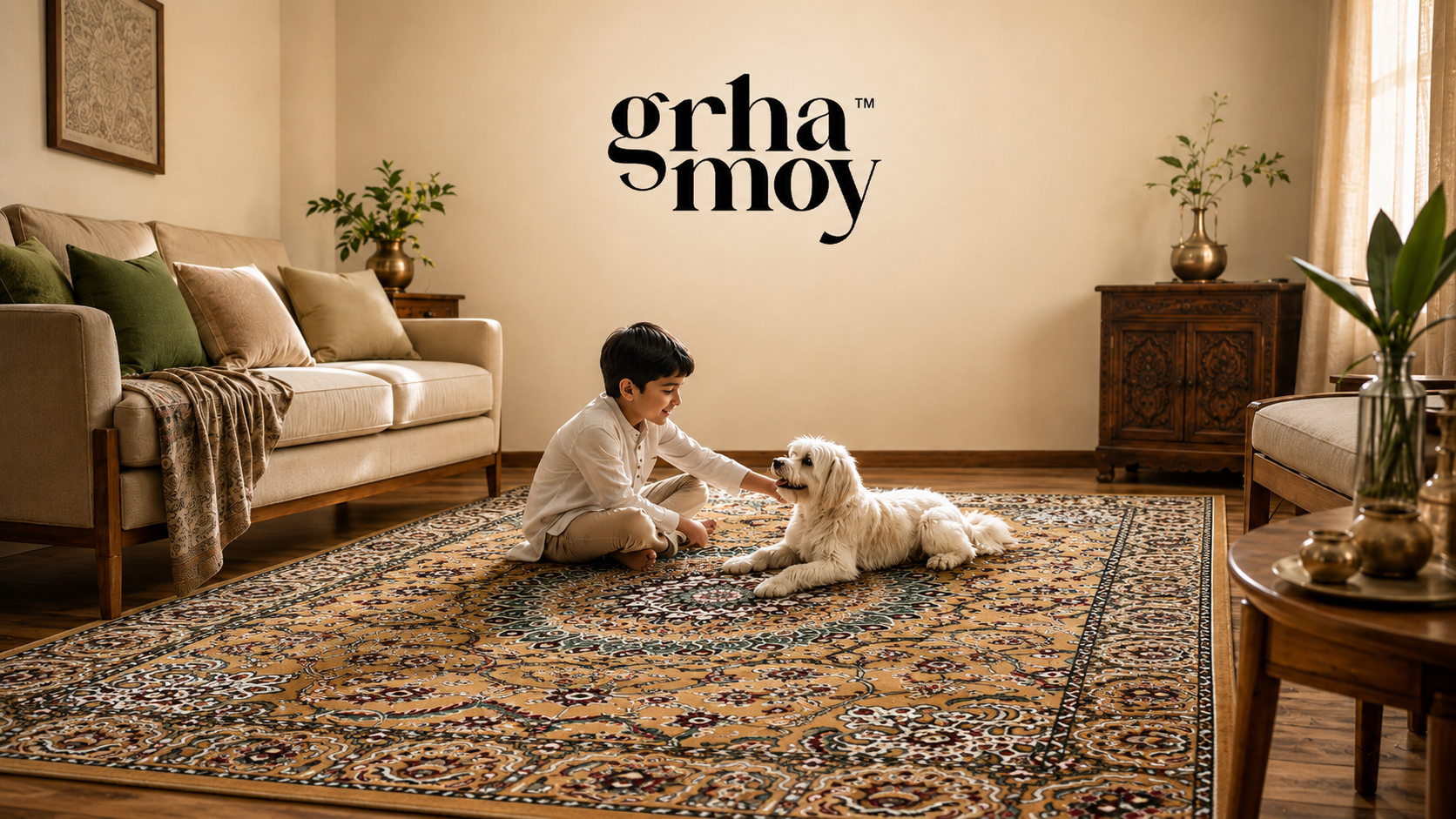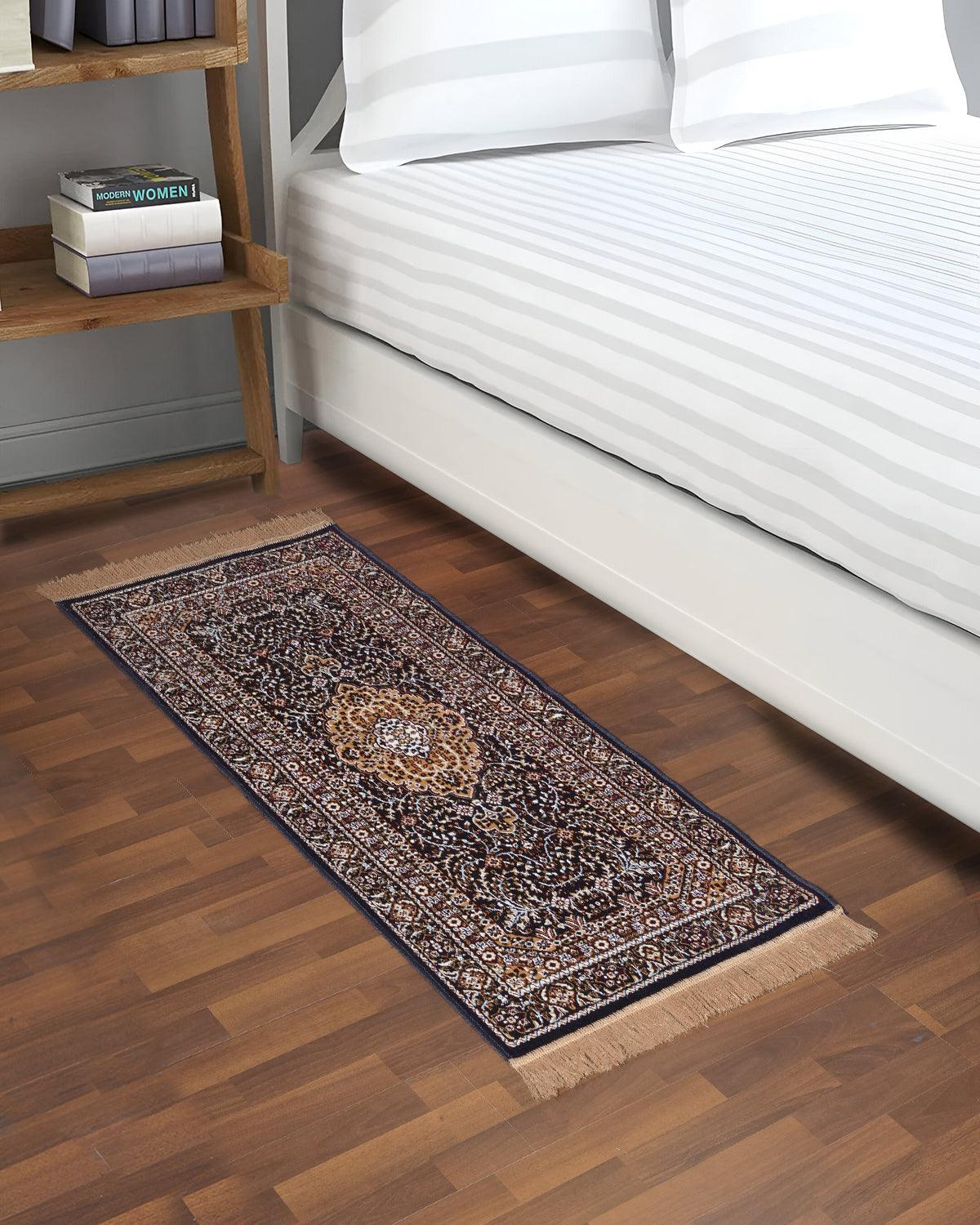
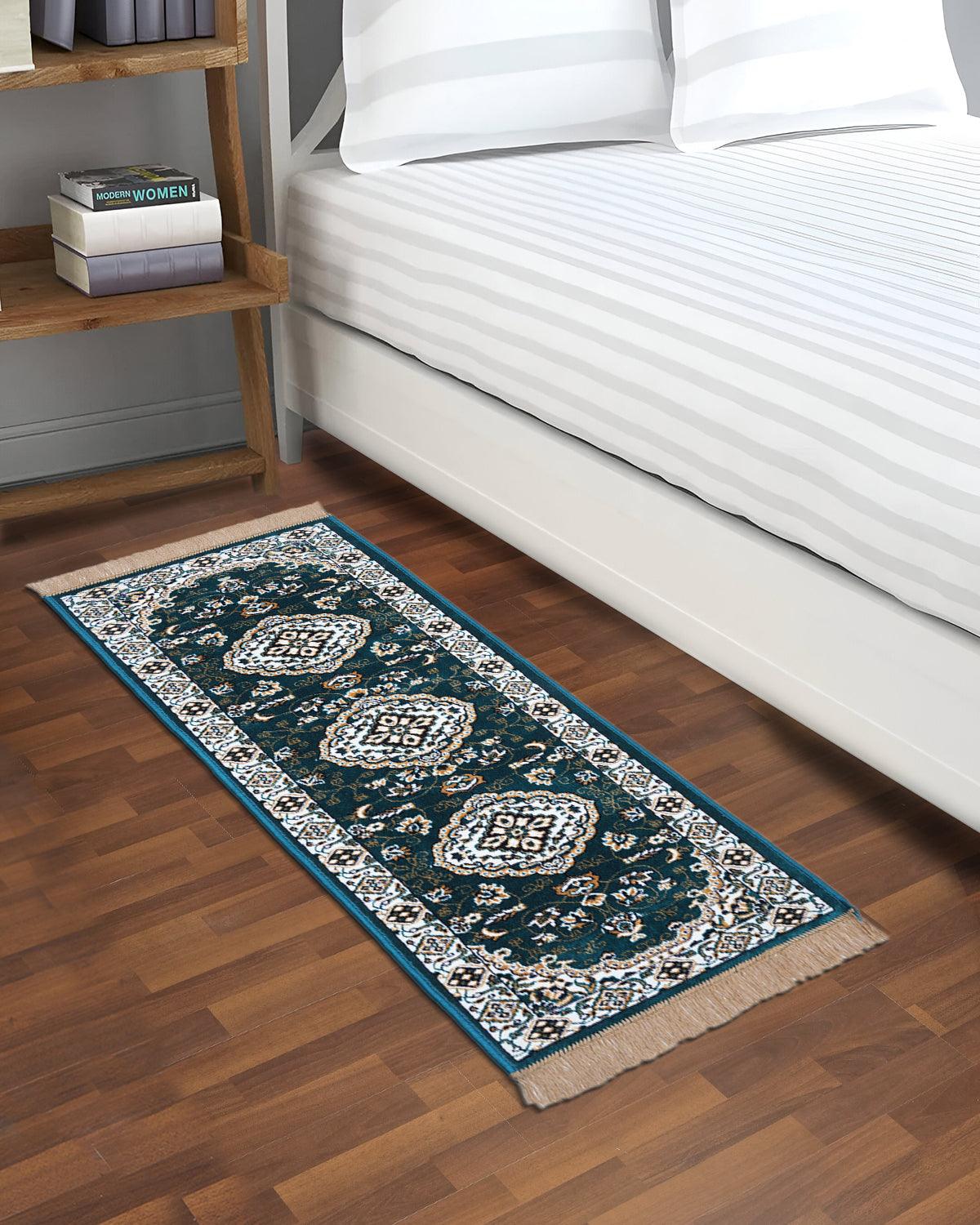
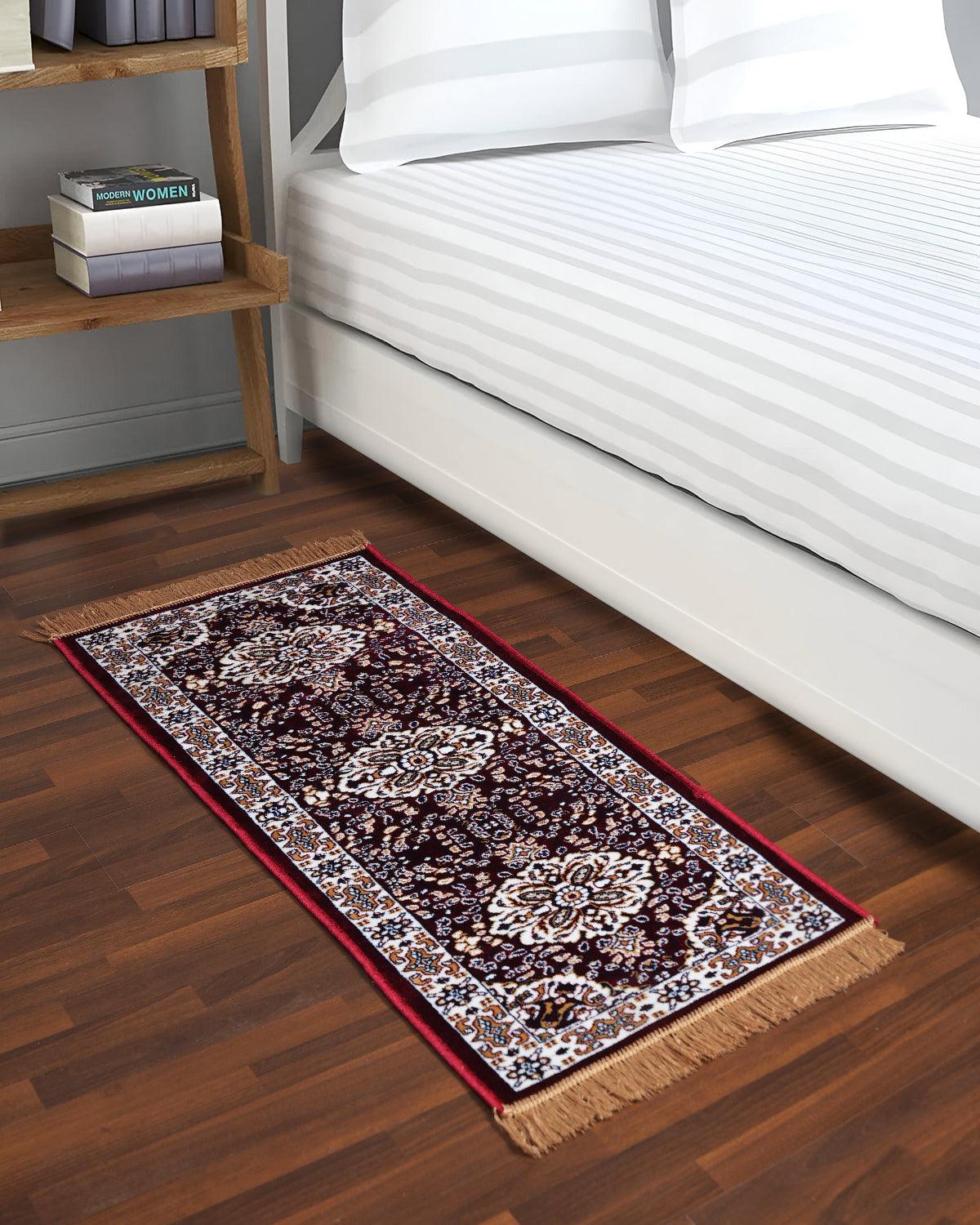
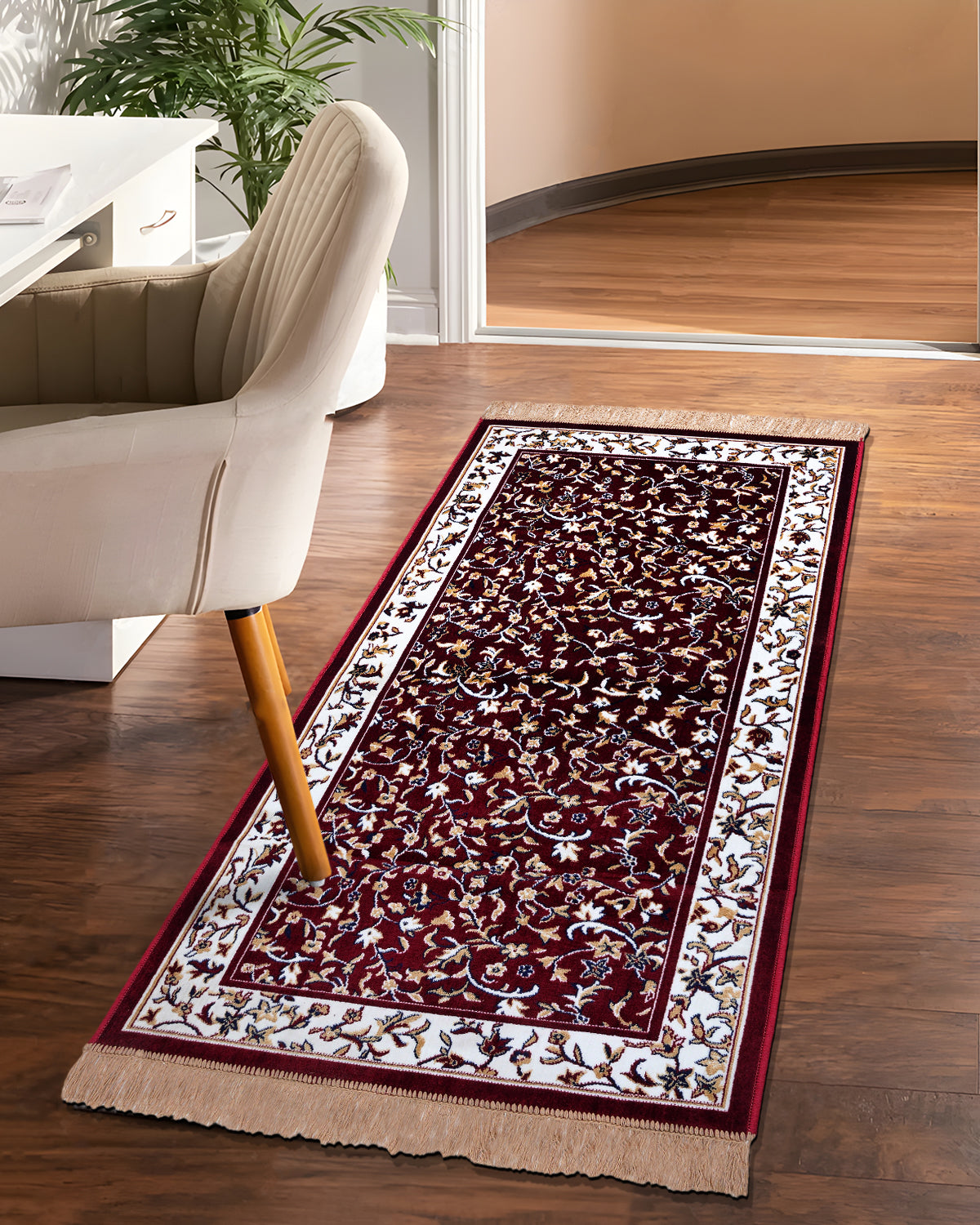


India has been weaving carpets for centuries, making it one of the top producers of carpets and rugs worldwide. The country’s tradition of carpets and rugs dates back to ancient times, blending art, culture, and meticulous craftsmanship in every piece. From the royal courts of carpets to the artisan workshops in panipat and varanasi, the art of carpet making in India has evolved while preserving its heritage.
What sets carpets in India apart is not just their intricate designs but also the premium materials like fine wool, silk, and cotton that ensure durability and luxury. Skilled artisans pour hours of labour into hand-knotted rugs in India, making each piece unique. This combination of artistry, quality, and cultural significance has made Indian carpets highly sought after in homes, hotels, and offices across the globe.
A Rich Heritage of Carpet Making
The art of carpet in India dates back centuries. India is home to some of the most famous carpet hubs in the country:
-
Panipat: Known for handwoven woolen carpets, dhurries, and traditional floor rugs. It is often called the “Textile City of India” due to its rich weaving heritage.
-
Varanasi: Famous for intricate silk carpets and fine hand-knotted rugs that showcase royal designs and craftsmanship.
Each carpet and rug reflects India’s cultural legacy, making them more than decorative items they are timeless art pieces for any space.
Exceptional Materials and Craftsmanship
The quality of materials is one of the main reasons Indian carpets and rugs are popular worldwide.
Key Materials Used:
-
Wool: Durable, soft, and ideal for intricate weaving
-
Silk: Provides a luxurious finish and delicate shine
-
Cotton: Creates a sturdy base for hand-knotted rugs
Artisans in Panipat and Varanasi spend weeks or months handcrafting each rug, ensuring every carpet in India is unique, durable, and visually stunning.
Variety of Designs and Styles
Rugs in India offer a wide variety of designs to suit diverse tastes and interior styles. Traditional Persian-inspired patterns, geometric and modern motifs, and floral or nature-inspired designs are widely available. Varanasi specializes in hand-knotted silk carpets with intricate patterns, while Panipat is known for durable dhurries and floor rugs. This extensive variety ensures that carpet and handmade rugs from India can enhance homes, offices, hotels, and luxury spaces, making them a globally preferred choice.
Sustainable and Eco-Friendly Practices
Sustainability has become a key factor in global buying decisions. Many Indian carpet manufacturers adopt eco-friendly dyes and natural fibers, making rugs in India environmentally responsible. They often use natural dyes instead of chemicals, hand-spin wool to reduce energy consumption, and follow ethical production practices that support local artisans. By choosing carpet in India, buyers not only acquire a beautiful product but also support sustainable and eco-friendly craftsmanship
Experience Luxury Carpets from India
Despite their intricate designs and premium materials, rugs in India are surprisingly affordable compared to similar products from other countries. Indian carpets combine luxury, quality, and cost-effectiveness, making them accessible for interior designers and homeowners alike. Rugs from Panipat and Varanasi bring timeless elegance to any space without the high price tag, which significantly contributes to their global popularity
Global Demand and Export Recognition
India is one of the largest exporters of carpet and rugs, with products from Panipat and Varanasi reaching countries such as the United States, Europe, the Middle East, and Asia. The global recognition of Indian carpets highlights their artistic, cultural, and practical value, making them a top choice for luxury interiors. These carpets and rugs are sought after not only for their beauty but also for their craftsmanship and durability.
Tips to Choose the Perfect Carpet
When selecting carpet and rugs, several factors are important to consider. First, the material whether wool, silk, or cotton should match the intended use and durability requirements. The size of the rug should fit the space, and the knot count is an indicator of quality, with higher knots reflecting finer craftsmanship and durability. Design and color must complement the existing decor, and buyers should also consider the level of maintenance required, as some rugs need more care than others. By keeping these tips in mind, you can ensure that your carpet in India is both beautiful and practical.
Final Thoughts
The global popularity of Indian carpets and rugs is driven by the rich weaving heritage of Panipat and Varanasi, the use of high-quality materials, unique designs, sustainable production, and affordable luxury. Investing in rugs in India ensures that you bring a piece of timeless artistry, cultural heritage, and elegance into your home, office, or luxury project.
FAQs
Q1. What makes Indian carpets and rugs unique?
Indian carpets and rugs are unique due to their combination of handcrafted artistry, high-quality materials, and rich cultural heritage. Cities like Panipat and Varanasi have centuries-old weaving traditions, producing hand-knotted and handwoven rugs that cannot be replicated by machines.
Q2. What types of materials are used in Indian carpets?
Common materials include wool, silk, and cotton. Wool is durable and soft, silk adds a luxurious shine, and cotton provides a strong base for hand-knotted rugs.
Q3. Why are Panipat and Varanasi famous for carpets?
Panipat is known for its woollen carpets and dhurries, while Varanasi is famous for intricate silk rugs. Both cities have a long history of weaving and produce high-quality, handcrafted rugs.
Q4. Are Indian rugs eco-friendly?
Yes, many Indian rug manufacturers use natural dyes and fibers and follow sustainable and ethical production practices, making rugs in India environmentally responsible.